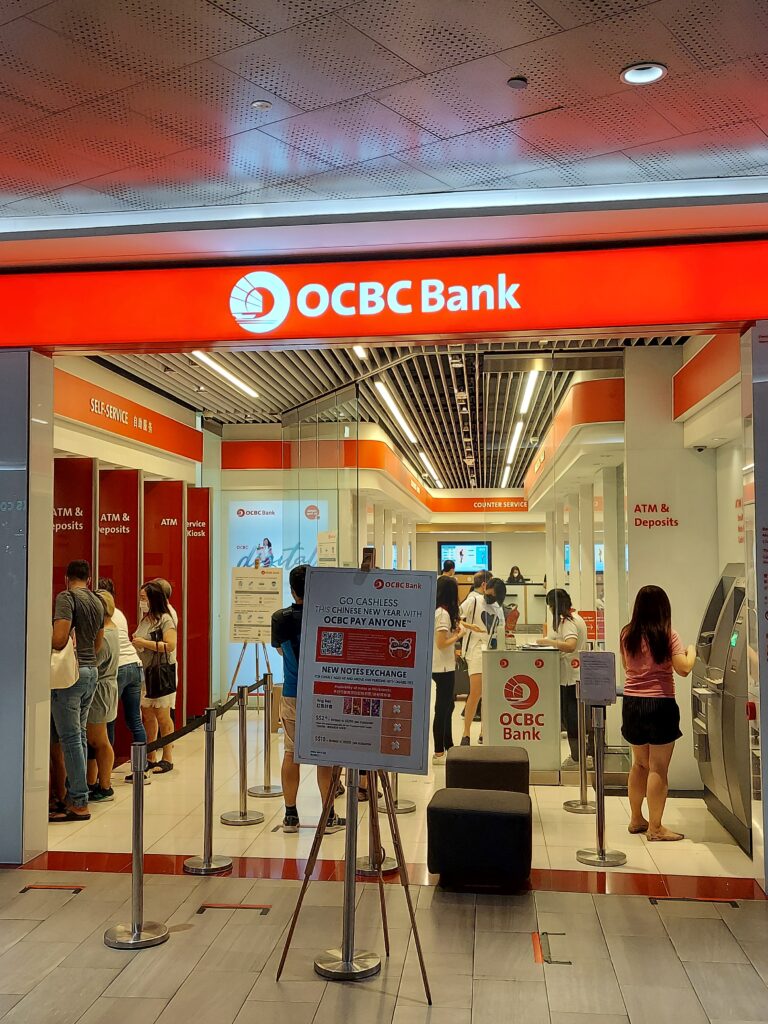
OCBC BCIP vs BullionStar Autoinvest
It’s a relic from the past. When OCBC launched the Blue Chip Investment Plan (BCIP) in June 2013, I wrote a review about it in this blog. Back then, OCBC has touted BCIP as an investment plan that allows retail investors access to S-REITs, blue chips and ETFs from as low as $100 per month. However, let’s not forget that that was the era in which the standard board lot size for SGX stocks was 1,000 units.
Singapore Savings Bonds vs OCBC 360
In the blink of an eye, 13 years flew by. The landscape for SGX has undergone significant changes. Among the key changes was the reduction of the board lot size to 100 units. With effect from 5 October 2026, the board lot size will further drop from 100 to 10 units for stocks priced $10 up to $100; and from 100 units to 1 unit for stocks priced above $100.

Against this context, is OCBC BCIP still relevant? And how does it stack up against BullionStar Autoinvest?
OCBC has fashioned BCIP as an investment plan that gives investors the flexibility to buy small number of shares with their chosen monthly investment amount. But the question that most investors should ask themselves is: what are the pros and cons on joining this scheme? Beyond the marketing hype, it is crucial that you think through these questions before committing to such a financial product.
Pros of OCBC BCIP
As always, I will first cover the pros of OCBC BCIP.
One of the selling points is that you do not need to open any securities trading account or Central Depository (Pte) Ltd (CDP) account to start a BCIP account. For this reason, parent or legal guardian above 18 years old can apply for BCIP with their child (below 18 years old) through a joint account and kick-start the child’s investing journey. Starting early from an early age allows for the magic of compounding to work and helps fund the child’s university education.
If you lack the investing discipline or time to do extensive stock research, then OCBC BCIP may be for you. For as little as $100 a month, retail investors can get to invest in local blue chips. OCBC has shortlisted 21 counters for investors to choose from. Most of them are government-linked companies with established track record of growth and dividend payment. You can buy smaller numbers of shares with your chosen monthly investment amount, so it works like a monthly investment plan.
You don’t need to go through the challenge of timing the market while building your portfolio. This is an attractive value proposition for those starting their wealth journey. Assuming you had invested $100 monthly since 2013 in DBS shares, this would be the investment portfolio performance:
- Investment duration: 158 months (June 2013 to Aug 2026)
- Total cash outlay: $15,800
- BCIP Fees Paid ($5 per month minimum fee): $790
- Net capital invested: $15,010
- Current Portfolio Value (shares only): $58,000 – $63,000
- Cumulative Cash Dividends Received: $10,000 – $13,000
- Total Value: $68,000 – $75,000
So you see: for just $100 per month, you could possess a portfolio that is worth up to staggering $75,000. This is the magic of long-term compounding coupled with disciplined monthly investing. Sounds yummy indeed. But before you get carried away, an important caveat is that I have used DBS shares as an example. Bear in mind that not all counters in the BCIP list have the kind of explosive bull run that DBS shares enjoys. The stock that you selected play an important part because the investment returns might be starkly different.
If you have chosen StarHub instead of DBS, you could be staring at a negative net return on capital. On this note, the list of counters that have been curated by OCBC may not be “safe” as there may be a potential risk of capital depreciation caused by the structural decline in the share price if you are not careful with your stock selection.
Cons of BCIP
The biggest turn-off for me about OCBC BCIP is that you cannot choose the date of buying the stock nor the frequency of buying. Funds are debited on the 17th of the month, and execution happens on the 22nd (or the next business day). You cannot set limit prices nor trade at prevailing market rates. Essentially, its like giving OCBC a sum of money to buy a particular stock every month.
In contrast, BullionStar AutoInvest allows investors full operational control, allowing you to dollar-cost average into physical gold or silver weekly, fortnightly, monthly, or quarterly depending on your cash flow strategy.
The transaction fee is another deterrence for me. As I am older than 30 years old, the minimum fee is $5 per counter. Imagine if you opted for 5 counters, then every year, you incurred transaction fees of $275. The amount is quite big if added up annually and I doubt that the dividends collected can cover these costs, given the small odd lots amount invested.
On the other hand, BullionStar Autoinvest does not charge a transaction fee. Instead, it charges a small storage fee for the bullion stored in their vault.
Conclusion
Will I open an OCBC BCIP account? Honestly, it’s a straight no.
With SGX lowering board lot sizes down to 10 units (and 1 unit for $100+ stocks), the original reason BCIP existed—overcoming the 1,000-share capital barrier—is officially dead. Today, buying 10 shares of a $30 stock ($300 outlay) directly through a low-cost digital broker incurs far lower execution fees than swallowing BCIP’s $5 monthly fee. Furthermore, I prefer to be hands-on with stock picking, research, and timing rather than delegating execution to a bank on a fixed day.
As for BullionStar AutoInvest, I am keeping my options open. While I am not a hardcore gold bug buying physical metal every single week, BullionStar’s Bullion Savings Program (BSP) is an attractive, low-friction tool for wealth preservation and hedging. I recently invested a small amount to test out the platform, and the experience has been seamless.
For small-cap recurring investments in 2026, automation is good—but paying unnecessary flat fees for an obsolete lot-size workaround is not. Till then, enjoy the ride!
Discover more from SG Wealth Builder
Subscribe to get the latest posts sent to your email.


